As global energy markets reel from Middle East supply shocks, Indonesia has emerged as Southeast Asia’s most dynamic energy transition hub—combining bold policy, massive renewable potential, and resource-driven industrialization to reshape regional and global supply chains.
In April 2026, President Prabowo’s administration launched landmark measures: a full ban on C48 diesel imports (with C51 imports phased out by year-end) to achieve 100% diesel self-sufficiency; mandatory B50 biodiesel (50% palm oil blend) starting July 1; and civil servants working from home one day weekly to cut fuel use. These moves slash fossil fuel reliance while leveraging Indonesia’s palm oil dominance.
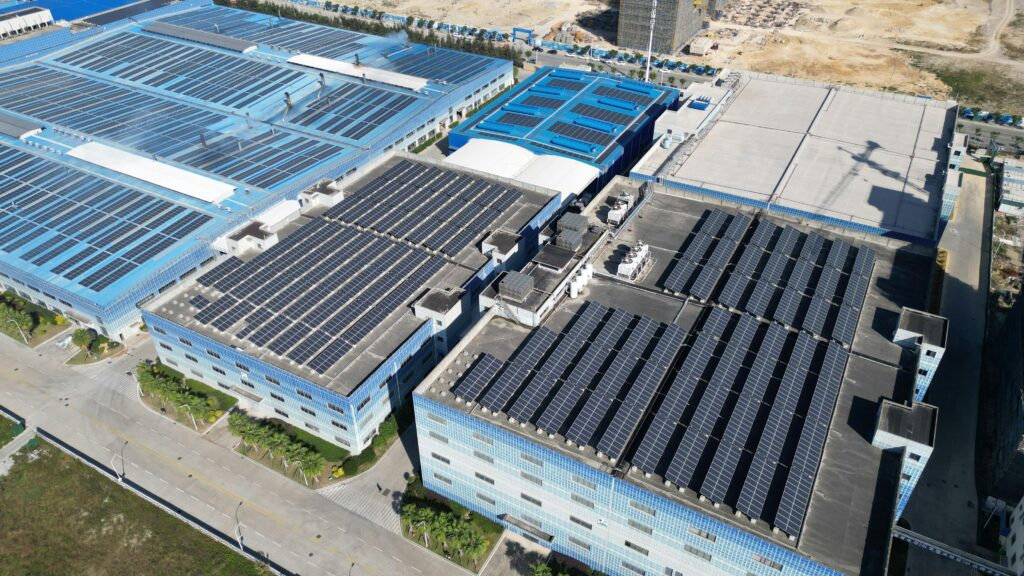
At the core is a 100GW solar push, paired with 29GW of untapped geothermal potential and 6,950MW of new hydropower in Kalimantan and Sulawesi—regions fast becoming global aluminum hubs. The government targets lifting renewables from 16.4% today to 34.3% by 2034, with net-zero by 2060.
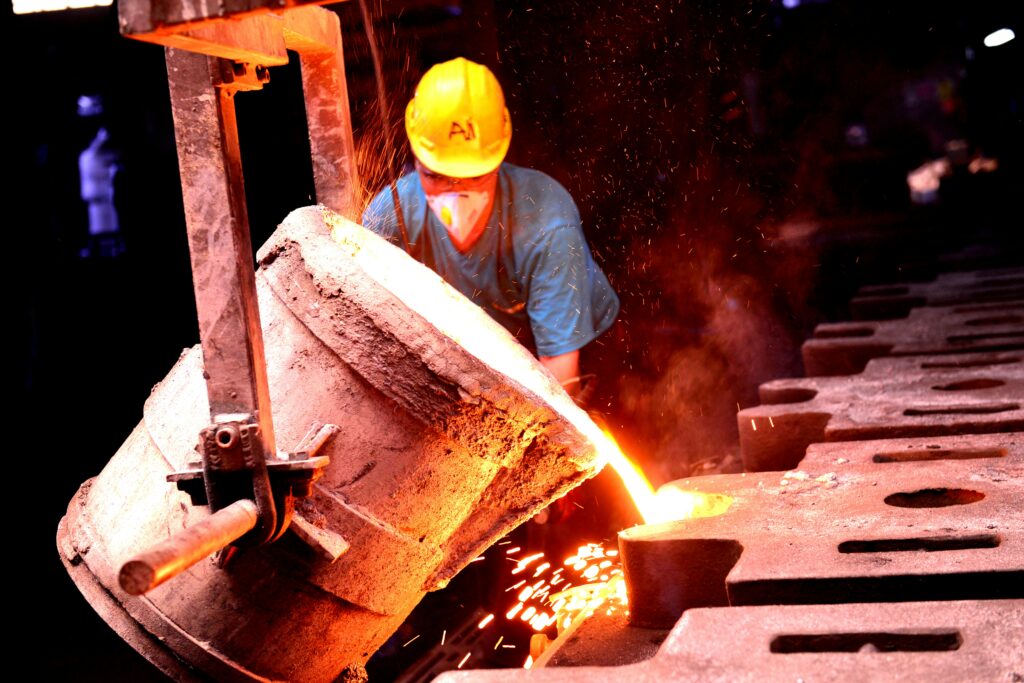
This transition supercharges Indonesia’s aluminum boom. Home to 24% of global bauxite reserves, Indonesia mandates downstream processing, drawing over $50 billion in Chinese investment to build 10 million tons of annual smelting capacity by 2030. Low-cost captive power ($0.05–0.06/kWh) and growing green energy enable CBAM-compliant “green aluminum” commanding a $260/ton premium in Europe.
For global investors, Indonesia offers unrivaled scale: solar EPC, geothermal development, battery storage, and integrated metals projects. As the world seeks stable, low-carbon supply chains, Indonesia’s energy transition is no longer a national goal—it’s Southeast Asia’s defining industrial and investment story.