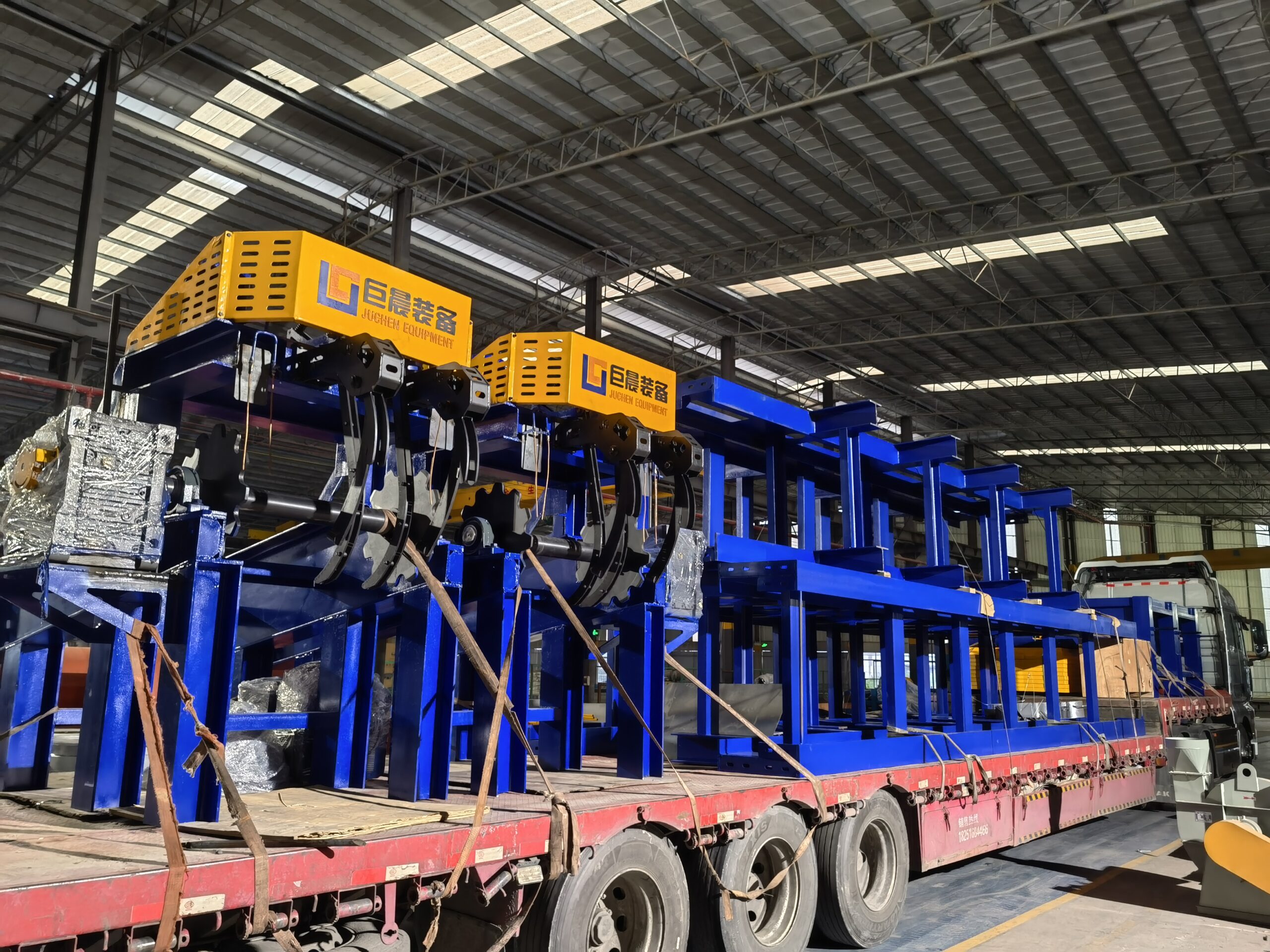
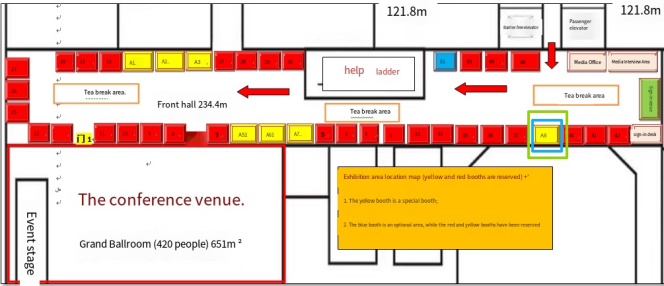
We’ll see you at booth A8
The 9th Aluminum Processing and Recycled Aluminum Technology Forum will be held in Baotou from May 27th to 29th. If you follow Inner Mongolia’s aluminium industry, you must have heard that Baotou’s electrolytic aluminium and deep processing occupy an important position in the country. Baotou aluminium produces 1.46 million tons of high-quality electrolytic aluminium, and 65,000 tons of high-purity aluminium, which is one-third of the country’s total, also comes from here; Baotou Rare Earth Hi-tech Zone has also gathered leading enterprises such as Dongfang Hope and has formed a complete industrial chain of “coal – electricity – electrolytic aluminum – deep processing of aluminum – recycling of recycled aluminum”. Last year’s output value exceeded 53 billion yuan – but today, changes that are more worthy of your attention than “capacity” are taking place in Baotou.
01 When “energy consumption” turns to “capacity”
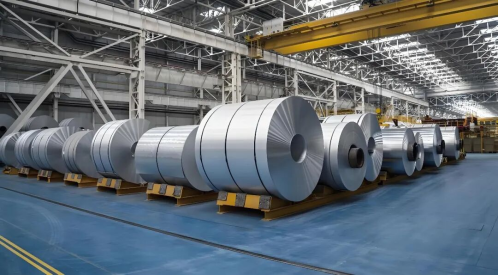
Over the past decade, the logic of the aluminium industry has been “let the scale of electrolytic aluminium speak”, and whoever has more capacity and whose equipment is operating at full capacity has the say. In this logic, aluminium is a resource consumable.
Now, the logic is flipping. Baotou consumed more than 70,000 tons of recycled aluminium throughout the year, consuming only 5% of the energy per ton of recycled aluminium and emitting only 3.6% to 5% of the carbon from primary aluminium. What does that mean? It’s the carbon emissions from producing 20 tons of aluminium in the traditional way, which can produce more than 500 tons with recycled aluminium. Aluminium is no longer a mere “resource consumption”, but an “energy-saving asset”. This is a microcosm of the transformation of China’s aluminium industry from “energy-consuming” to “capacity-producing”, and it is the most core strategic asset under the “dual carbon” strategy. Baotou, as an established aluminium industrial base, has its own industrial structure adjustment as a benchmark – the policy orientation and the flow of industrial capital here often predict the direction of the industry in the coming years.
For aluminium factory decision-makers, this means: What proved worthwhile in the past few decades may not be worthwhile again in the future. If your production line fails to meet carbon emission standards, you may face substantial barriers in future exports and supply chains, even if the equipment is still running.
02 Three changes that will determine the direction of your multimillion-dollar investment
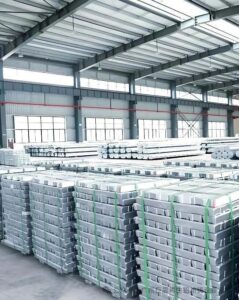
In this context, the following signals are worth focusing on:
1. The integrity of the industrial chain has emerged: The Baotou aluminium industrial park has formed a complete closed loop from electrolytic aluminium, aluminium processing to the recycling of recycled aluminium. Huayuan Tianlu, Changlu, Weike and other enterprises are extending aluminum processing into high value-added fields such as automotive lightweighting, battery casings and aluminum-based new materials. In Baotou, you can see exactly which direction your smelting and casting equipment should aim for.
2. The real moves of the leading enterprises are worth watching: Dongfang Hope is laying out the global transformation of aluminum processing, Baolu is promoting green power aluminum and intelligent upgrade, and Weike is developing materials for lightweight new energy vehicles. The direction of these companies’ investments often affects the direction of the entire supply chain – the next move of equipment suppliers needs to be ahead of them.
3 The certainty of policy dividends is growing: From the national level to Inner Mongolia and then to Baotou City, three levels of fiscal and financial support policies have been introduced, explicitly stating support for equipment renewal and technological transformation. In an era of increasing industry uncertainty, policy support itself is an important variable for return on investment.
03 Why is this a forum that ‘decision-makers’ should attend?
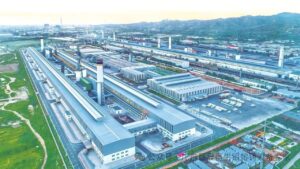
The forum’s agenda included a visit to the Baotou Aluminium Industry Park. Unlike other purely academic forums, this time you can see the entire industrial chain running directly: molten aluminium comes out of Baotou’s workshop and goes straight up the production line, turning into aluminium alloy material right before your eyes.
If you are a project decision-maker, shareholder, or board member and need to make tens of millions of investments, just looking at the parameters is far from enough. You need to actually see: How does the logistics of the industrial park go? Can the direct supply of molten aluminum really be implemented? Is the synergy between upstream and downstream enterprises just talk on paper or has it already worked out? These key judgments can only be truly felt when you go there in person.
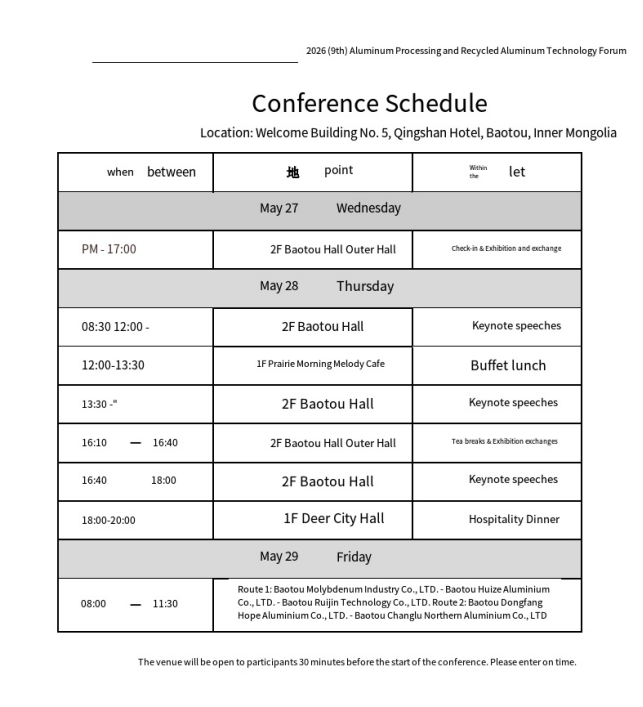
04 May 27-29, booth A8 is waiting for you
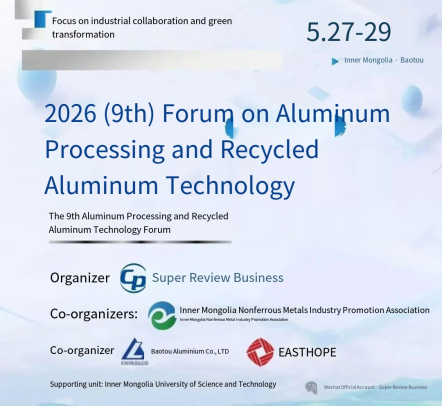
Baotou · The 9th Aluminum Processing and Recycled Aluminum Technology Forum
Time: May 27-29
Location: Building 5, No. 1 Yingbin Road, Qingshan District, Baotou City, Inner Mongolia Autonomous Region
Booth number: A8
The investment logic in the aluminium industry is being reshaped:
→ If you haven’t laid out new lines for new energy and recycled aluminium yet, should you do it at this point? How risky is it?
→ If your technology route can no longer keep up with customer requirements, have you checked out the new routes that are running in the industrial base?
→ If your equipment upgrade plan is still stuck at the “cost-saving” level, what else can your equipment earn for you in the new battlefield of “carbon is an asset”?
If you don’t want your core competitiveness to be downgraded, then May 27-29 is a window worth seeing for yourself.

Scan the code for more exciting content
[Contact Us]
13527779005(Mr. Zhu)
15014663482(Ms. Yang)
13929125210(Mr. He)
13927774245(Ms. Zhou)
Email: [email protected]
Website: www.jcfurnace.com