May 7 to 9, 2026
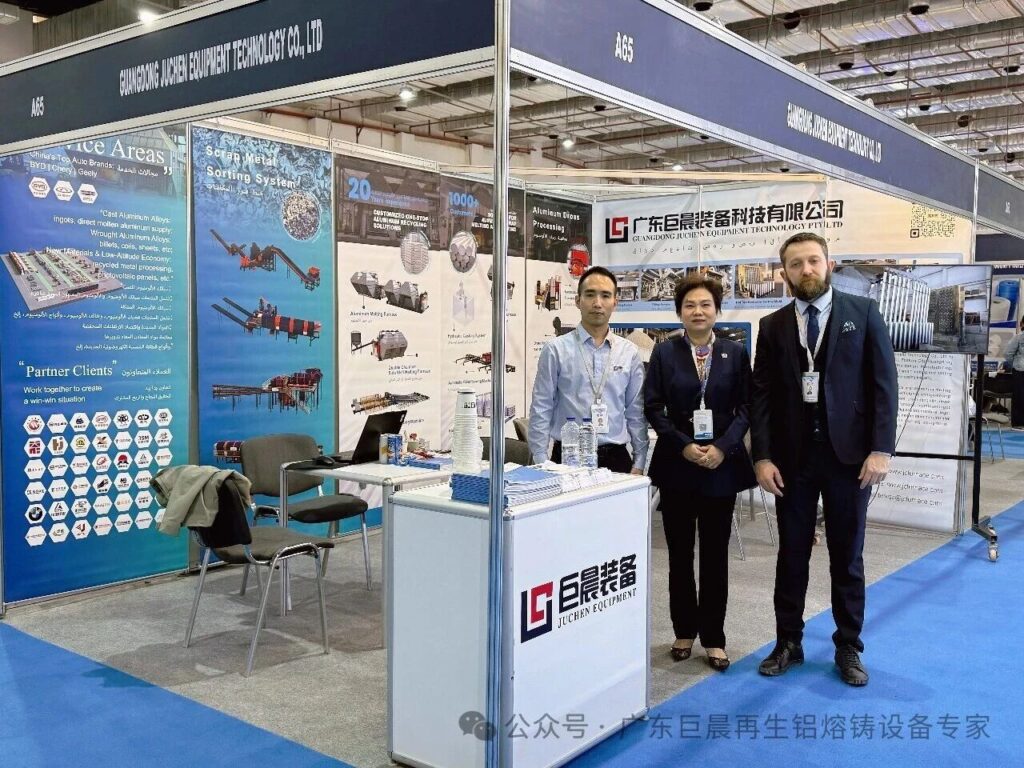
We are at the Aluminium Show in Cairo, Egypt, booth A65
When we came back from the show, everyone was asking: What’s the point of going all the way?
Don’t rush to answer. In short, we saw three things in Cairo
1. Egypt’s aluminium industry is picking up
2. Local customers have a real demand for Chinese equipment
3 And the market is more eager to upgrade than expected
Let’s talk about them one by one
If you are a friend of the aluminium factory, look at these signals
Do you have anything to do with your next move
01 The aluminium industry in Egypt is undergoing a qualitative transformation.
Before we set off, we noticed three signs. When we got to the site, we found that these signals had become a reality. When we put them together, the conclusion was clear: Egypt’s aluminium industry is going through – smelting expansion, processing upgrade, equipment iteration.
Egypt’s aluminium industry is doubling its production capacity
During our exhibition, Egyptalum, the national aluminium company of Egypt, just announced a major piece of news: it signed a $900 million expansion agreement with Trafigura to build a new 300,000-ton/year primary aluminium smelter and a 150,000-ton/year anode plant. The current capacity of 320,000 tons per year will double directly to about 600,000 tons per year upon completion. Egypt’s prime minister was present to sign, positioning it as a national strategic project.
Chinese companies are entering on a large scale
Henan Zhongfu Industrial plans to invest $2 billion in the Suez Canal Economic Zone to build an aluminium production complex covering more than 1 million square meters, which is expected to create 3,000 jobs. Another Chinese aluminium giant has also expressed its willingness to invest. Meanwhile, Egyptalum’s own expansion project has made it clear that it will seek financing from several international financial institutions, indicating that the degree of marketization and international attractiveness of Egypt’s aluminium industry are increasing.
More than 60 percent of Egypt’s population is young
Just for that, you can’t ignore the market. In a country where more than 60 percent of the population is a strong young workforce, which is in the early stages of industrialization and urbanization, it means a steady stream of incremental demand for all major aluminum-consuming industries such as infrastructure, transportation, automobiles, and packaging. This is by no means an empty “promising future”, but a real driving force for development at present. This forms a perfect logical loop with Egyptalum’s doubling capacity plans and the massive entry of Chinese companies.
02 The real demand we heard at booth A65
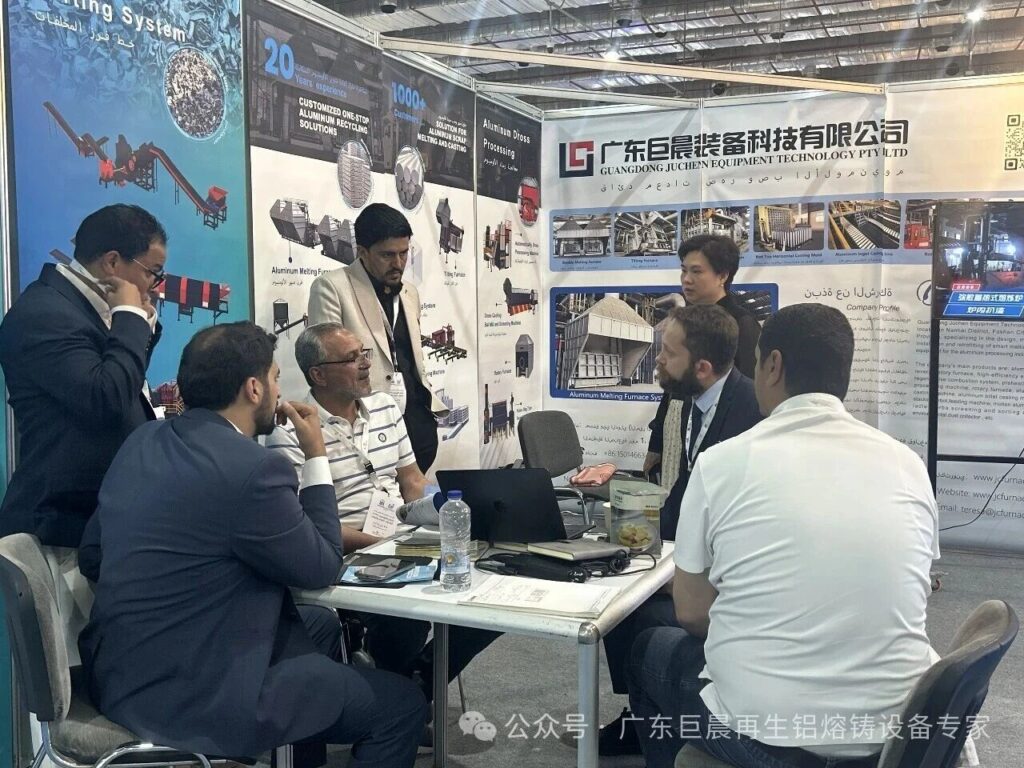
Down to three high-frequency questions:
What is the limit for burning out aluminium?
The local aluminium recycling industry is being regulated and raw material costs are rising. They are beginning to realize, as they did in the country a decade ago, that “what you save is what you earn.”
How many cubic meters of energy are consumed per ton of aluminium gas?
Many local aluminium plants are still using old equipment, and the consumption of recycled aluminium gas is generally 80-90 cubic meters per ton. They have heard the claim that “Chinese equipment has low energy consumption”, but they need to verify the real data.
How many days will it take for after-sales service to arrive?
There is a lack of local equipment repair forces in the area. Once there is a problem, if the supplier is far away in China and the parts and engineers cannot arrive, the factory will have to shut down. This has become the biggest psychological barrier for them to purchase Chinese equipment.
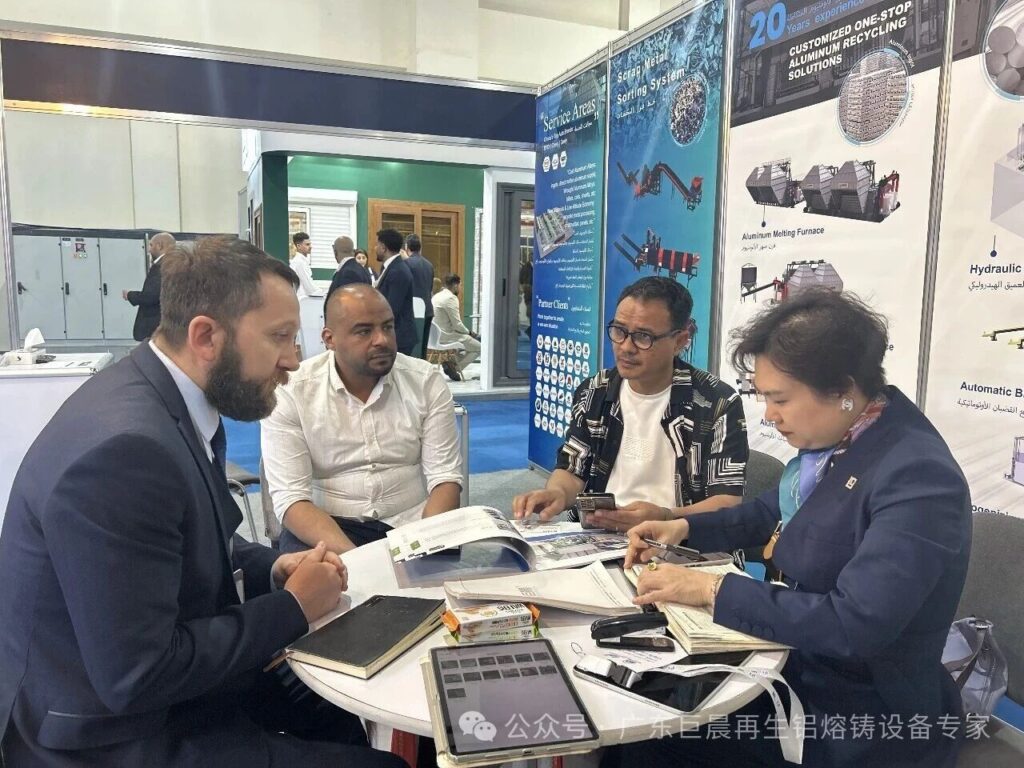
Over the course of three days, visitors to the booth included local aluminium plants in Egypt, foundries in Libya, scrap aluminium recyclers in Sudan, and purchasing managers who flew all the way from Nigeria. We found that African customers’ perception of Chinese equipment is changing. They are no longer fixated on “cheapness”, but are increasingly concerned about long-term operational stability, real energy consumption data, and the response speed of suppliers, which is exactly the same as what domestic aluminum plants care about.
03 Three inspirations for the aluminium plant
1. Should the equipment be upgraded?
The gas consumption of the old factories in Egypt is 80 to 90 cubic meters per ton, while the advanced level in China has reached 50 to 60 cubic meters per ton. If your equipment’s energy consumption remains at a high level and you don’t upgrade, you won’t even reach the threshold of competing overseas.
2. Is it worth setting up overseas?
Gas prices in Egypt are about one-third of those in China. It is close to Europe and has tariff preferences. Labor costs are low. The risk is foreign exchange control and incomplete supporting facilities. It is recommended to talk to local Chinese-funded enterprises about the “three most troublesome problems” first.
3. The domestic competition is too fierce. Can we follow the industrial chain?
The domestic competition pattern will loosen after the leading aluminium companies in China distribute their production capacity to Egypt. Check in advance if your customers have a presence in Egypt, and auxiliary materials (graphite rotors, filter plates, etc.) could be an increase this year.
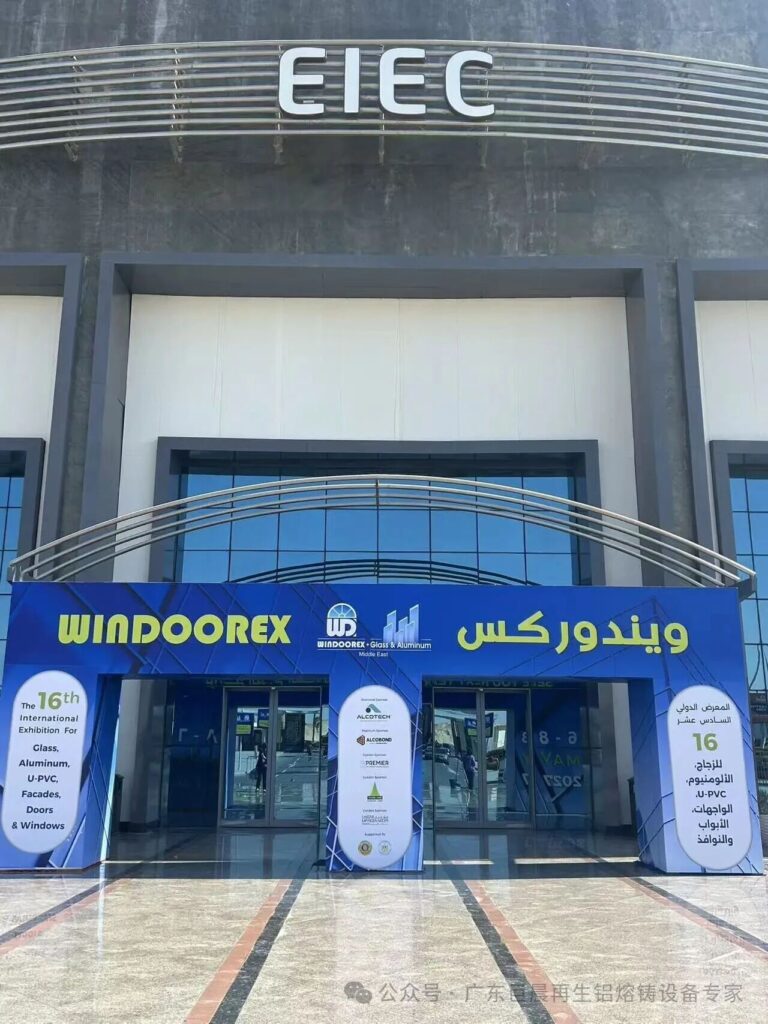
04 See you in Shanghai for the next stop
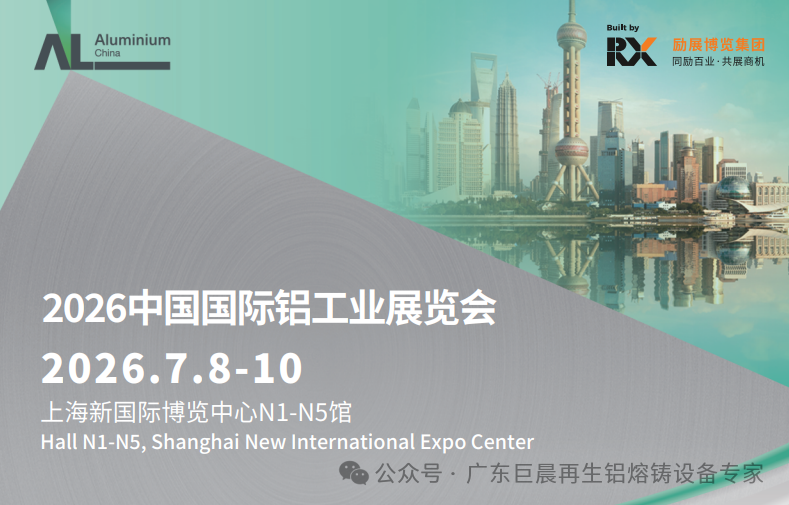
If you missed Cairo – next stop, Shanghai
July 8-10, 2026
Booth 2B40, Hall N2, Shanghai New International Expo Centre
We’ll bring back first-hand feedback from Egypt
The solutions that our customers care about the most
Wait for you there