Every four years, the FIFA World Cup unites billions of football fans worldwide. While athletes, stadium architecture and the iconic trophy take center stage, one metal quietly supports the entire tournament infrastructure: aluminum. From landmark stadium facades to modular temporary venues, green recycling systems and match-day facilities, aluminum has become an indispensable material for modern World Cup construction and operation.
1. Aluminum Builds Iconic World Cup Stadium Landmarks
Aluminum’s lightweight, corrosion-resistant, flexible and low-carbon properties make it the top choice for large-span sports venues across all World Cup editions.
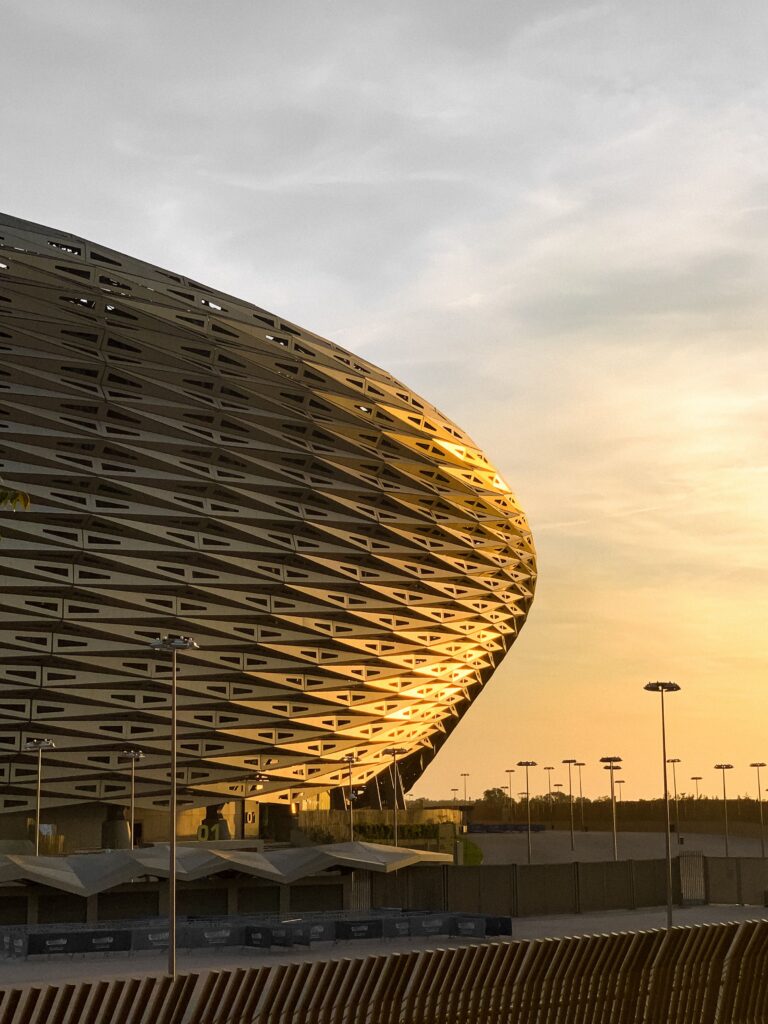
Qatar 2022 World CupThe Lusail Stadium, host of the opening and final matches, adopted high-strength fluorocarbon aluminum extrusions for its curved exterior curtain wall, presenting a dazzling golden glow under desert sunlight. Al Janoub Stadium, shaped like a traditional Arab dhow, was wrapped with over 160,000 square meters of fireproof aluminum composite panels, enabling its retractable roof to open and close smoothly within 30 minutes. Stadium 974, the world’s first fully demountable World Cup arena, relied heavily on perforated aluminum cladding for natural ventilation, and all aluminum components could be disassembled, recycled and reused after the tournament.
Russia 2018 World CupLuzhniki Stadium, the venue of the final, renovated its outer ring with gold-colored pre-coated aluminum panels that maintain stable appearance under extreme cold and hot weather for decades. Saint Petersburg Stadium used fire-resistant aluminum composite panels for the entire facade to meet strict safety standards.
Upcoming 2030 Morocco-Spain-Portugal World CupThe Grand Stade Hassan II and Stade Moulay Abdellah will adopt large aluminum grid roofs and exterior aluminum panels covering nearly 110,000 ㎡, creating lightweight tent-style dome structures that resist strong wind and intense sunlight while cutting energy consumption by nearly half.
Compared with traditional steel, aluminum cuts self-weight by over 60%, reduces foundation load, shortens construction cycles, and requires almost no anti-rust maintenance in long-term outdoor service. Its strong formability allows architects to realize curved, hollow and hyperbolic creative shapes unique to landmark stadiums.
2. Full Aluminum Solutions for Modular & Temporary Competition Facilities
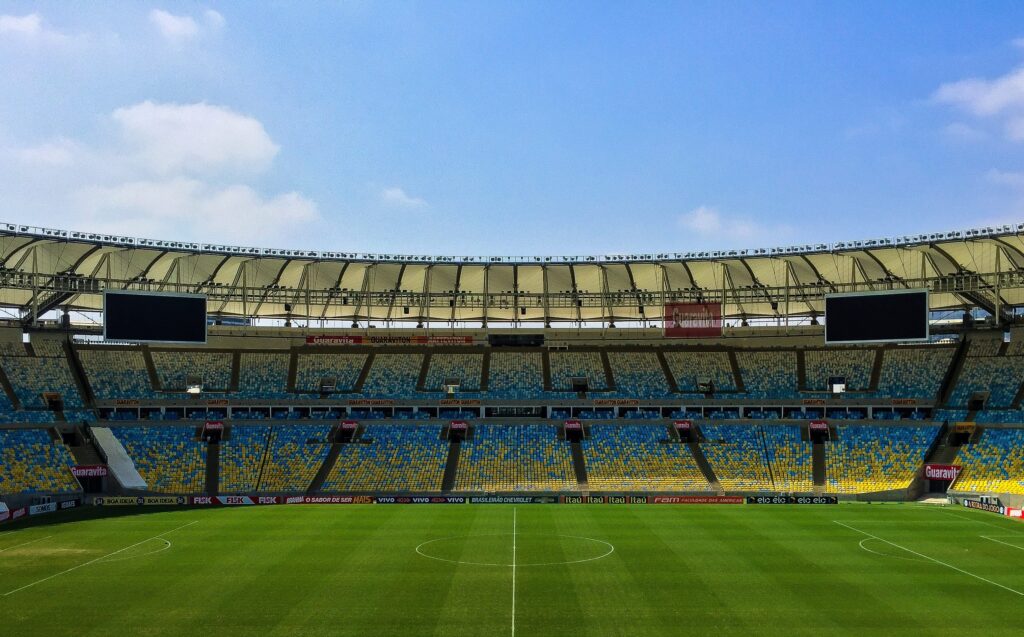
World Cups require massive temporary stands, spectator booths, flagpoles, broadcast equipment brackets and walkways, all dominated by aluminum alloy profiles.China’s aluminum manufacturers supplied hundreds of aluminum flagpoles for the Gulf Stadium opening ceremony; portable aluminum viewing platforms and temporary guardrails were widely deployed across all 8 Qatar stadiums for fast assembly and disassembly. Aluminum alloy goal frames, advertising display frames and broadcast equipment brackets are standard match supplies, favored for light weight and high load-bearing capacity.
3. Aluminum Leads the Sustainable, Zero-Waste World Cup Vision
FIFA has raised strict carbon neutrality and recyclability requirements for all recent World Cups, and aluminum perfectly fits the green development roadmap.
100% recyclable with ultra-low reproduction energy costSecondary aluminum only consumes 5% of the energy needed for primary aluminum smelting and cuts carbon emissions by more than 95%. After tournaments, all stadium aluminum curtain walls, frames and temporary facilities are transported back to smelting plants for remelting into new aluminum billets, profiles and panels without performance loss.
Disassembled venue circular economy modelStadium 974 set a benchmark: all aluminum structural parts were fully recycled post-event, avoiding massive construction waste. For the 2026 US-Canada-Mexico World Cup, FIFA promotes reusable aluminum food and beverage cups to replace single-use plastic, drastically reducing on-site waste.
Energy-saving thermal insulation aluminum curtain walls lower stadium air conditioning power consumption in high-temperature host countries like Qatar.
4. Aluminum Industry Supply Chain Powers Global World Cup Projects
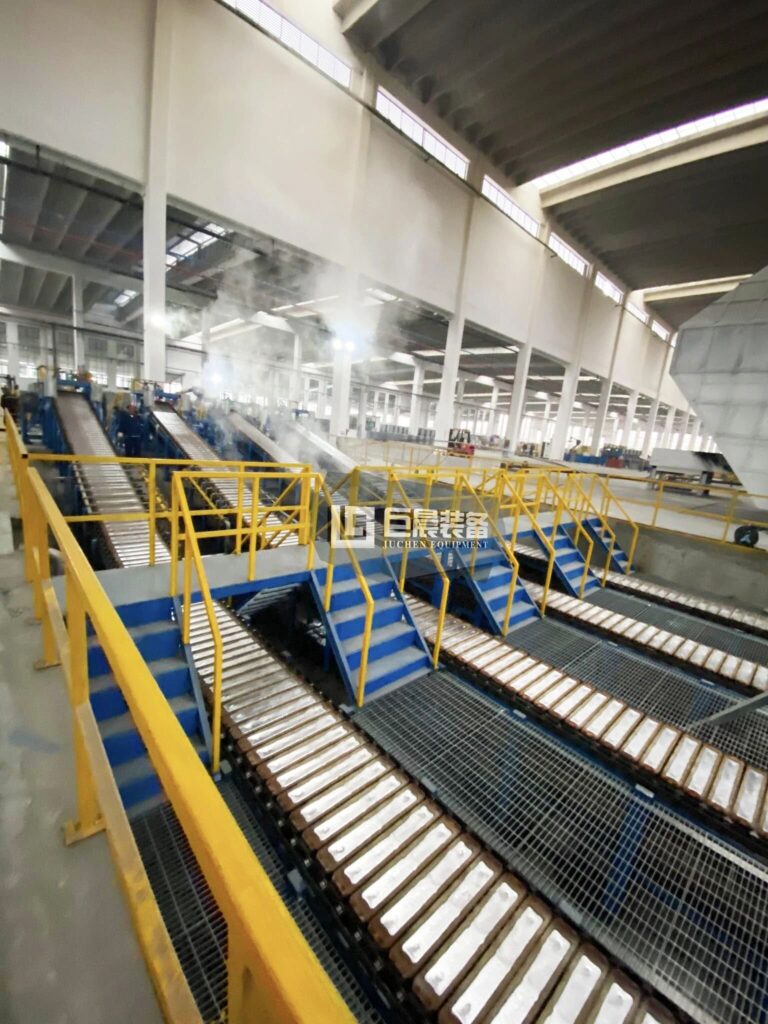
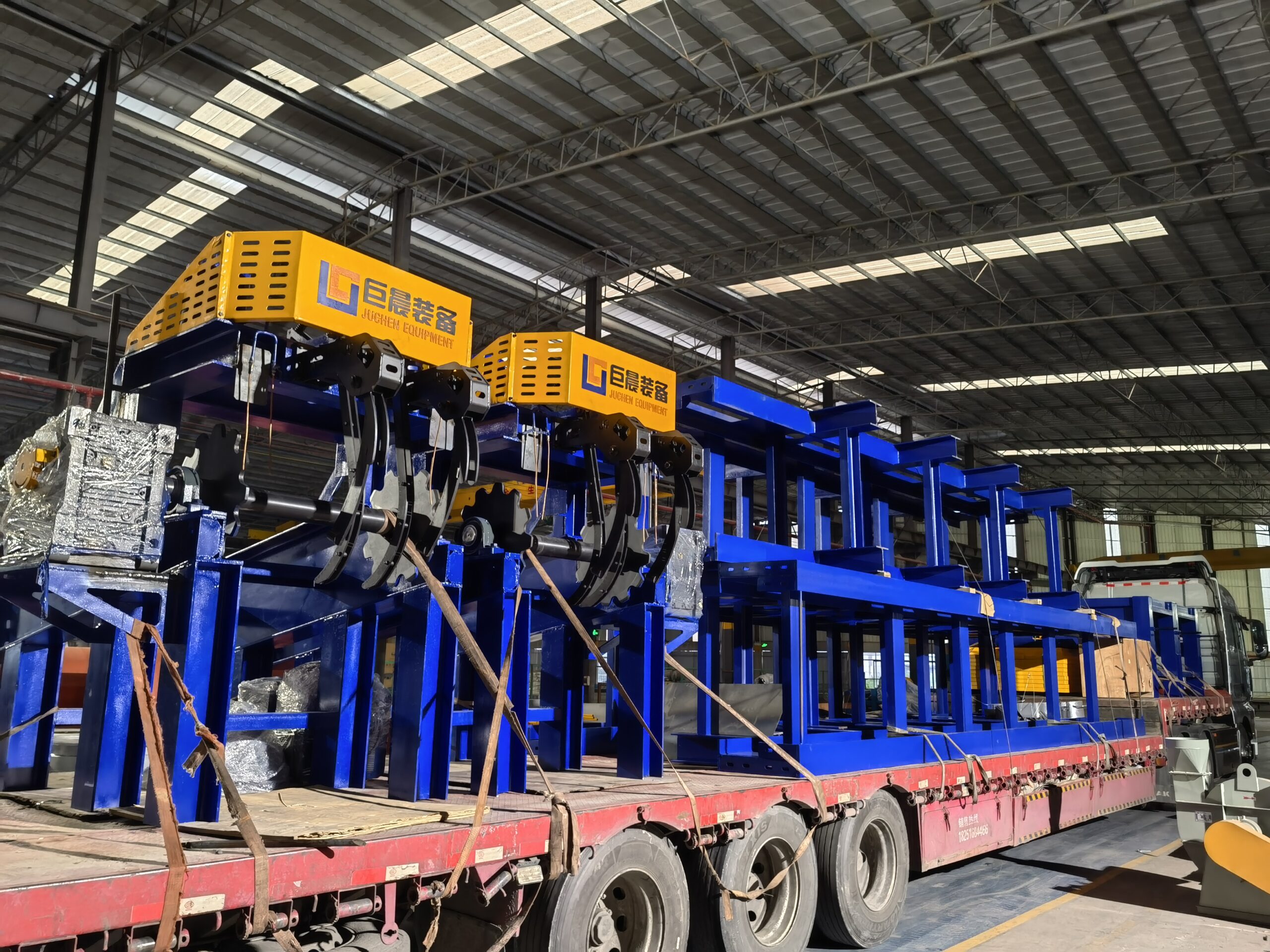
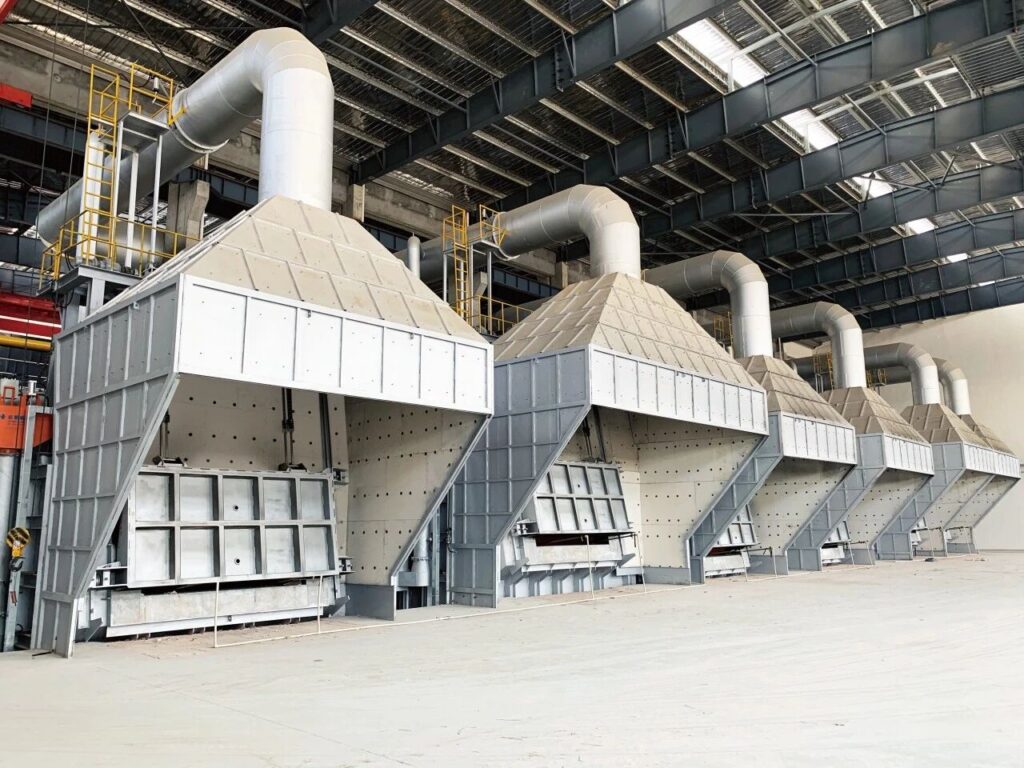
The full industrial chain of aluminum — molten aluminum melting furnaces, aluminum billet casting lines, dross recycling machines, extrusion equipment and surface treatment lines — provides core raw materials for World Cup infrastructure.Enterprises specializing in intelligent melting & casting equipment supply complete production lines for aluminum ingots, deoxidized aluminum particles and architectural aluminum profiles exported to Middle East, North Africa and European World Cup host countries. From raw aluminum liquid processing to finished stadium panels, integrated smelting-casting equipment guarantees stable material supply for landmark sports projects worldwide.
Conclusion
From shining stadium domes to hidden modular temporary structures, from green circular recycling to complete aluminum production equipment support, aluminum stands behind every thrilling World Cup match. As FIFA prioritizes low-carbon, reusable venue standards for future tournaments, demand for high-performance aluminum materials and intelligent aluminum processing equipment will keep soaring. For metal processing manufacturers, World Cup infrastructure projects represent a premium global showcase of product quality, technology and sustainable manufacturing strength.