After the aluminium is recycled, since the aluminium content in the scrap varies, it is almost impossible to restore it to pure aluminium. Even if it is feasible, the cost must be very high. Our aluminium ingots, generally referring to the aluminium ingots for remelting, have an aluminium content of 99.7% and can be regarded as pure. As a result, scrap aluminium is generally quenched and tempered for direct processing into aluminium alloys or for casting into aluminium bars.
The recycling process of scrap aluminium usually involves the following four basic procedures.
(1) Preparation of scrap aluminium
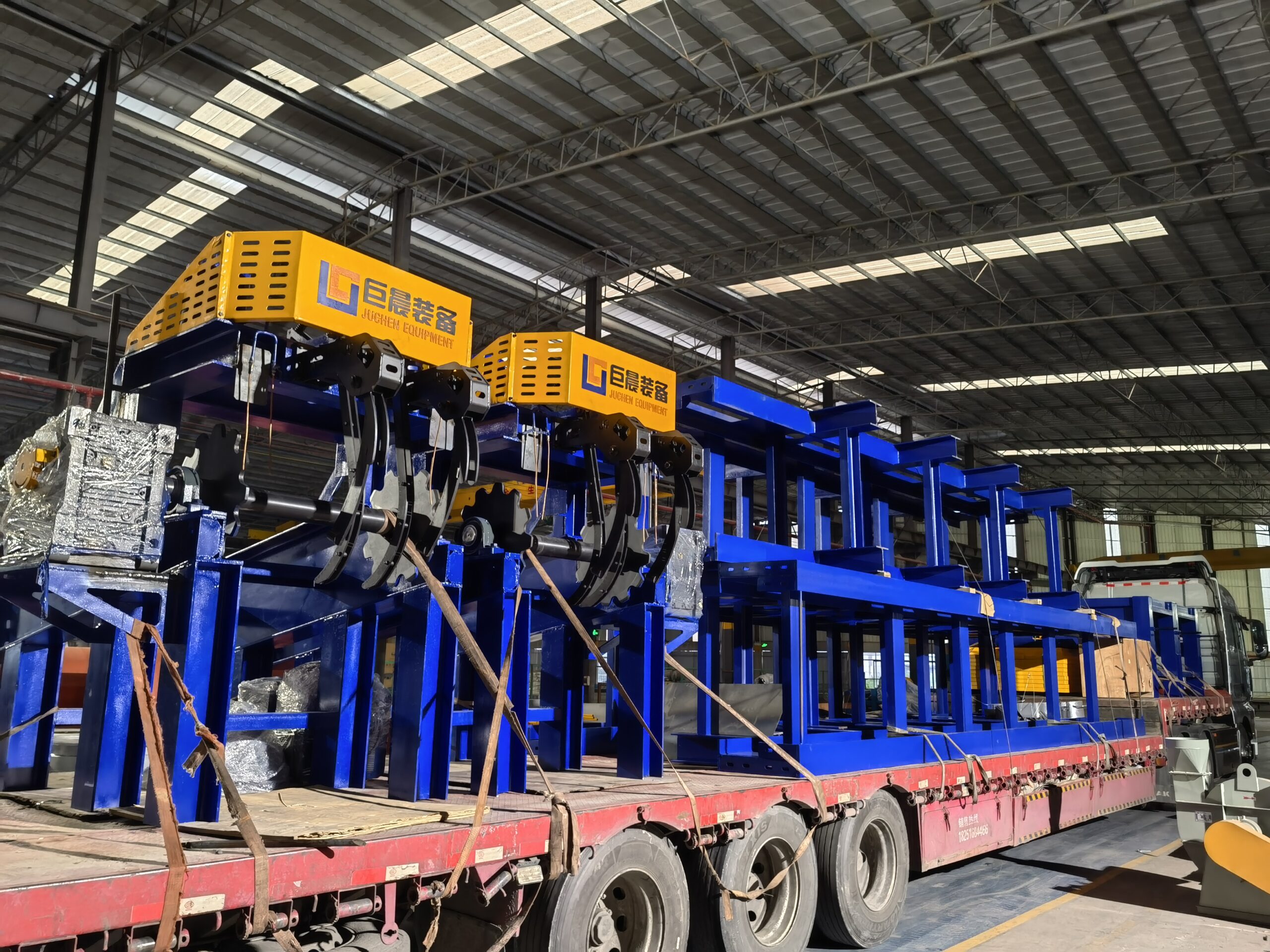
First, primary classification and graded stacking of scrap aluminium, such as pure aluminium, wrought aluminium alloys, cast aluminium alloys, mixtures, etc. For waste aluminium products, they should be disassembled to remove the steel and other non-ferrous metal parts attached to the aluminium material, and then processed into waste aluminium materials through cleaning, crushing, magnetic separation, drying, etc. For thin and loose sheet-like scrap aluminum parts such as lock arms from cars, speed gear bushings and aluminum shavings, a hydraulic metal baler should be used to press them into bales. For steel-cored aluminium stranded wire, the steel core should be separated first, and then the aluminium wire should be wound into rolls.
Iron impurities are very harmful to the smelting of scrap aluminium. When there is too much iron, it will form brittle metallic crystals in aluminium, thereby reducing its mechanical properties and weakening its corrosion resistance. Iron content should generally be controlled at less than 1.2 percent. For scrap lead with an iron content of more than 1.5 percent, it can be used as a deoxidizer in the steel industry, and commercial aluminium alloys rarely use scrap aluminum with a high iron content for smelting. At present, there is no very successful method in the aluminium industry to satisfactorily remove excess iron from scrap aluminium, especially iron in the form of stainless steel.
Scrap aluminium often contains organic non-metallic impurities such as paint, oil, plastic, rubber, etc. They must be removed before being remelted. For wire-like waste aluminium, mechanical grinding or shearing stripping, heating stripping, chemical stripping and other measures can generally be used to remove the cladding. At present, domestic enterprises often use high-temperature ablation to remove insulators, which generates a large amount of harmful gases and seriously pollutes the air during the ablation process. rubbing. This way, both purification and recovery of the insulator material can be achieved. The coating, oil stains and other contaminants on the surface of waste aluminium utensils can be cleaned with organic solvents such as acetone. If they still cannot be removed, a paint remover should be used. The maximum temperature of the paint removal furnace should not exceed 566 ° C. As long as the waste remains in the furnace for a sufficient period of time, most of the oil and coating can be removed.
For aluminium foil paper, it is difficult to effectively separate the aluminium foil layer from the paper fiber layer using ordinary waste paper pulping equipment. An effective separation method is to first heat and pressurize the aluminium foil paper in a water solution, then quickly discharge it to a low-pressure environment to reduce pressure and mechanically stir it. This separation method can recover both the fiber pulp and the foil.
The liquefaction separation of waste aluminium is the future direction for the recovery of metallic aluminium. It combines the pretreatment of waste aluminium scrap with remelting and casting, which shortens the process flow, minimizes air pollution, and significantly increases the recovery rate of net metal.
There is a filter in the device that allows gas particles to pass through. In the liquefaction layer, aluminium settles at the bottom, and organic substances such as paint attached to the aluminium are decomposed into gas, tar and solid carbon above 450 ° C and then completely burned through the oxidation device inside the separator. The waste is stirred by a rotating drum and mixed with the dissolution in the chamber. Impurities such as sand and gravel are separated into the sand and gravel separation zone, and the dissolution carried out by the waste is returned to the liquefaction chamber through the recovery propeller.
(2) Batching
According to the preparation and quality status of the scrap aluminum, select the combinations and calculate the quantities of each type of material in accordance with the technical requirements of the recycled products. The composition should take into account the degree of oxidation burn loss of metals. The oxidation burn loss of silicon and magnesium is greater than that of other alloying elements, and the burn loss rate of various alloying elements should be determined in advance through experiments. The physical specifications and surface cleanliness of the scrap aluminium will directly affect the quality of the recycled product and the actual yield of the metal. Scrap aluminium that is not degreased thoroughly will have up to 20 percent of the effective components entering the slag.
(3) Regenerated deformed aluminium alloys
The deformable alloys that can be produced from scrap alloys include 3003, 3105, 3004, 3005, 5050, among which 3105 alloy is mainly produced. To ensure that the chemical composition of the alloy material meets the technical requirements and the process requirements of pressure processing, a portion of primary aluminium ingots should be added when necessary.
(4) Recycled cast aluminium alloys
Only a small portion of scrap aluminium is recycled as wrought aluminium, about a quarter is recycled as deoxidizer for steelmaking, and most is used for recycled casting aluminium. The die-cast aluminium alloys such as A380 and ADCl0, which are widely used in the United States, Japan and other countries, are mostly recycled from scrap aluminium.
The main equipment for recycled aluminum is the smelting furnace and the refining and purification furnace, which generally use dedicated static furnaces fueled by oil or gas. The largest recycled aluminium enterprise in China is Shanghai Xingge Nonferrous Metals Co., Ltd. located on the outskirts of Shanghai, which has two sets of 50-ton smelting and standing furnaces and one set of 40-ton oil-fired smelting and standing furnaces; A 12-ton fuel-fired rotary furnace. Small businesses may use pool kilns, crucible kilns, etc. for smelting.
In recent years, developed countries have introduced a series of new technological innovations in production, such as low-cost continuous smelting and processing techniques that can upgrade low-grade scrap aluminum for the production of recycled aluminum ingots for casting, die casting, rolling and as master alloys. The largest ingot weighs 13.5 tons. Among them, remelted secondary alloy ingots (RSI) can be used to make thin plates for cans, and the quality of the plates has reduced the weight of each can to only about 14g. Some recycled aluminium is even used to make frames for computer floppy disk drives.
In the recycling process of scrap aluminium, the smelting of recycled aluminium and the treatment of the melt are key procedures to ensure the metallurgical quality of recycled aluminium. The modification and refining of the aluminium melt can not only change the form of silicon in the aluminum-silicon alloy and purify the aluminium melt, but also greatly improve the performance of the aluminium alloy. The refining, modification and purification of aluminium melts are currently mostly treated with chlorides and fluorides such as Nacl, NaF, KCI and Na3AIF6, and some also use C12 or C2C16. The process is carried out.
Although the use of chlorine-containing substances to refine the waste aluminum melt works well, the by-products such as AICI3, HCl and Cl can cause serious damage to human health, the environment and equipment. In recent years, efforts have been made to improve the treatment process by using non-toxic and low-toxic refining deteriorated materials to address environmental pollution, such as using N2, Ar, etc. as refining agents, but the results have not been satisfactory. The so-called “pollution-free” refining agents available on the market, whose basic components are carbonates, nitrates and a small amount of C2C16, cannot completely eliminate environmental pollution because they still emit a small amount of nitrogen oxides and chlorine gas.
In recent years, the newly developed process of modifying, refining and refining recycled aluminium using rare earth alloys is expected to completely solve the environmental pollution problem in the scrap aluminium recycling and smelting industry. The process takes full advantage of the interaction properties of rare earth elements with aluminium melts to exert the refining, purification and modification functions of rare earth elements on aluminium melts. It can achieve the integrated treatment of aluminium melt purification, refining and modification, which is not only simple and efficient, but also can effectively improve the metallurgical quality of recycled aluminium. No harmful exhaust gas or other by-products will be produced throughout the process.